General News
20 May, 2025
CFA stations through 80 years
From tin sheds and red-brick buildings to weatherboard structures and ex-army Nissen huts, the home base for CFA brigades across Victoria has evolved significantly over the past 80 years.
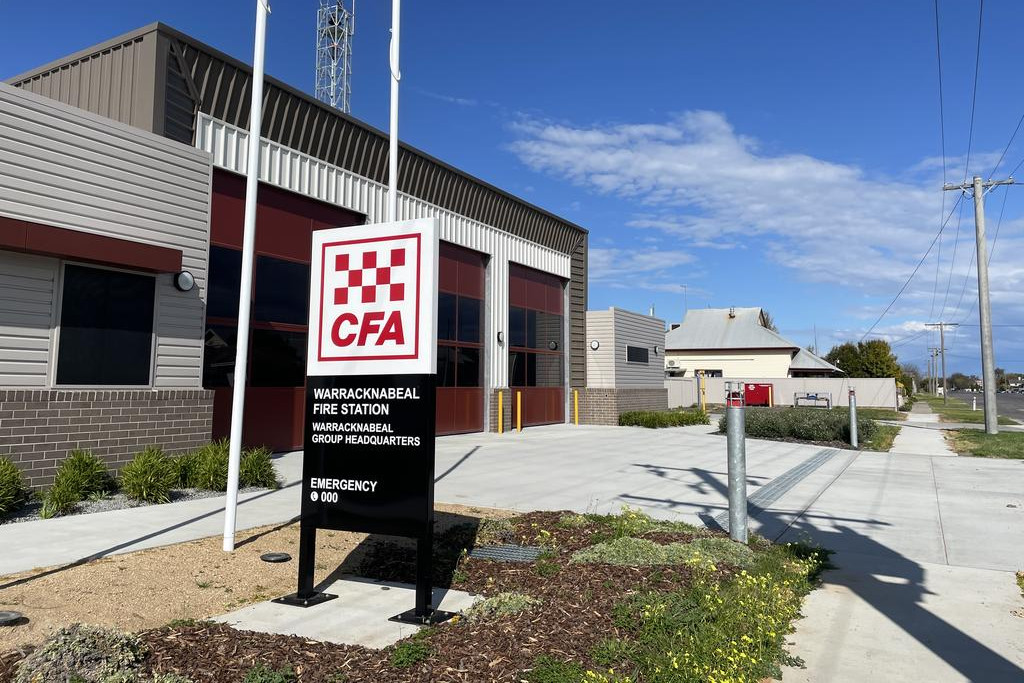
Volunteers work hard to protect the growing Victorian community, so they must have adequate facilities to support their fire response.
When CFA made its impact throughout Victoria in the early 1950s and postwar shortages had ended, large numbers of tin shed fire stations began to appear across the rural landscape.
Now, to cater to growing communities and response efforts, state-of-the-art features are being rolled out statewide in fire stations.
CFA general manager of infrastructure services Paul Santamaria said CFA first made the decision to borrow funds from the government in 1951 to put towards constructing new fire stations.
“While farm sheds were the garages for rural fire brigades pre the 1950s, some primitive stations were also made of fibro cement,” Mr Santamaria said.
“From 1953, CFA embarked on building galvanised iron sheds for rural brigades, renovating and extending urban fire stations and building several new ones.
“We borrowed £50,000 to build 40 sheds for rural fire trucks and urgently needed urban fire stations.
"Brigades often erected the two-bay or single-bay prefabricated iron buildings themselves.”
The tin sheds have become landmarks throughout Victoria, appearing in clearings without a house in sight, and were deemed a public sign of a community prepared to defend itself.
“Back then, brigade members lent horses, ploughs and scoops to level the ground of the new sites and working bees took place to build the stations," Mr Santamaria said.
"Local fundraisers were held to pay for sirens and connect electricity.
“All CFA stations conformed to the building standards at the time that they were constructed to ensure alignment with building codes and to provide adequate housing for appliances that were developed for various risk environments.
“Over time, these station design standards have changed and have been amended to include additional functional requirements to support remote rural, rural, semi-urban and fully urbanised areas.”
In the 2000s, a new generation of modern sheds and stations with additional facilities replaced older stations across the state, with greater consideration for sustainability and diverse communities and membership.
Today, the latest fit-for-purpose facilities can include drive-through motor bay rooms and ancillary sheds for equipment, separate toilet facilities, and turnout areas that ensure privacy for members.
“It's really pleasing to see the improvements our fire stations have seen over the years," Mr Santamaria said.
"Whether brigades are receiving renovations or a brand-new station, all enhancements will go a long way in accommodating the future needs of the brigade.
“Some stations now have adequate room for kitchens, multi-purpose rooms, privacy areas, gender-diverse amenities, administration areas, workshops, breathing apparatus maintenance spaces, ICT equipment, laundry facilities, storerooms, and hose drying towers.
“The larger and improved facilities will be of great benefit to Victorian towns as a whole, with members efficiently able to continue responding to incidents in the local area and surrounding neighbourhoods.”